
FIVB Type B Support Gives National Federations a Route to Volleyball Equipment
National federations can request floors, balls and net systems through FIVB partners, but import, storage and inland transport costs remain their responsibility.
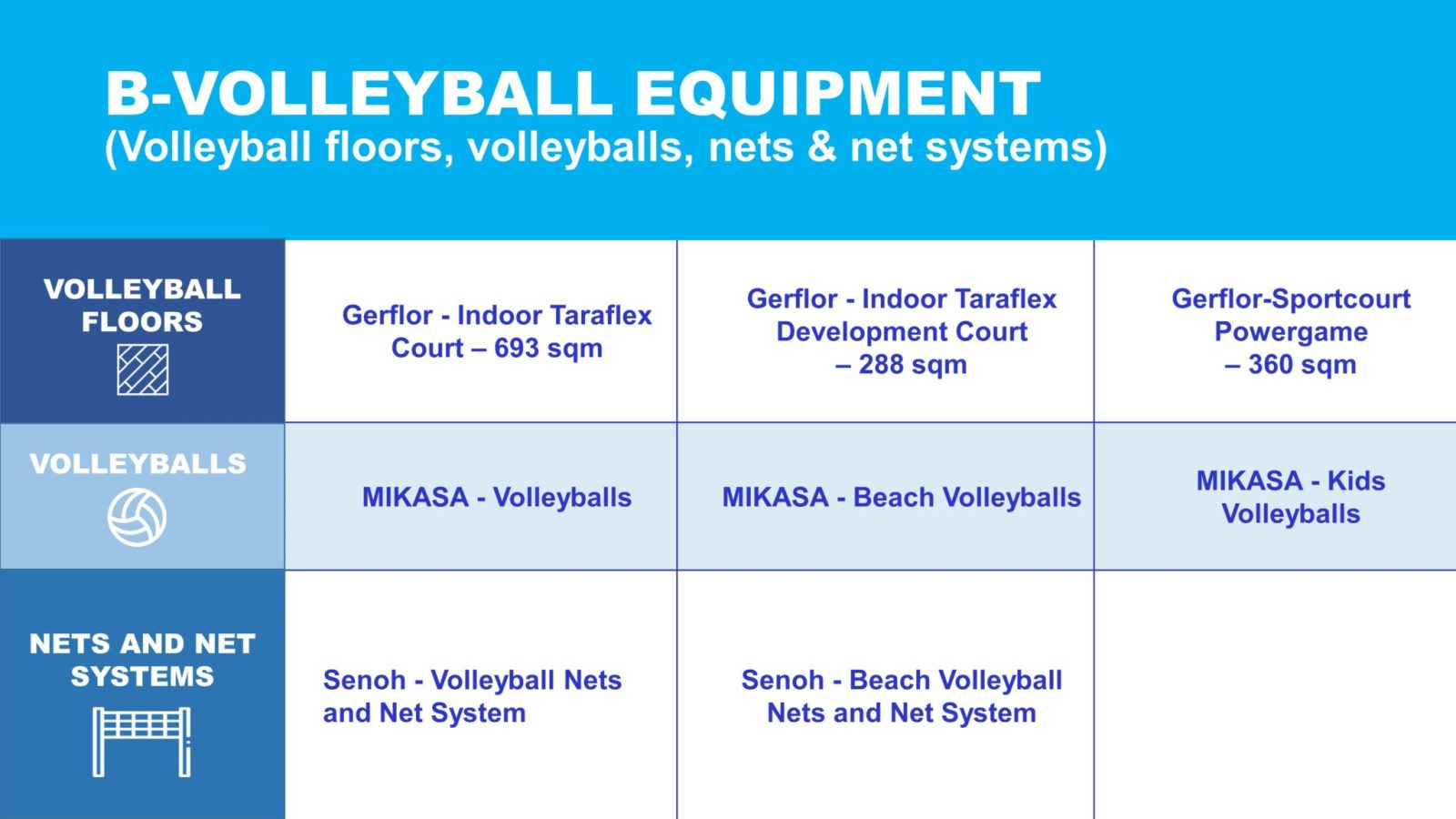
FIVB Type B support gives national federations a route to request volleyball floors, balls and net systems through key partners. The stated purpose is to support volleyball’s growth and participation, but the offer does not cover every cost involved in bringing the equipment into use. Import procedures, taxes and transport beyond the defined delivery points remain with the recipient federation. Type B volleyball equipment support
The equipment available
National federations can request indoor and outdoor volleyball flooring, volleyballs, beach volleyballs and balls intended for children. The list also includes nets and volleyball net systems, covering equipment for indoor and outdoor use as well as younger participants.
The equipment is supplied by FIVB partners using the VIK specified in contracts. The support therefore provides a defined route for federations seeking development equipment, while the exact practical benefit depends on their ability to receive and deploy what is requested.
Where the delivery responsibility changes
For donated volleyball flooring, the FIVB delivers the material free of charge to the federation’s main port, or to the nearest main port. For balls and net systems, the FIVB coordinates delivery with the federation and its partners to the federation’s offices.
Those delivery arrangements do not remove the recipient’s customs obligations. National federations must pay customs-clearance and import-formality costs, customs taxes and import duties, as well as applicable taxes such as VAT. They also cover taxes linked to licence fees.
Flooring creates a further logistical obligation. Storage and transport from the nearest port to the exact installation site are paid by the federation, even when that port is in the same country. Free delivery to the port is therefore only one part of the total route from shipment to a usable playing surface.
What federations must handle after arrival
The federation must obtain the necessary import licences from the competent government authority, or secure a customs exemption when required. It is also responsible for local transport between the port and the intended location, and must use its best efforts to clear the equipment within 30 days of its arrival at the country’s main port.
The programme also sets a clear use restriction: national federations may not sell or commercialise the volleyball equipment. The equipment is intended for development use, with access tied to administrative, financial and non-commercial responsibilities.
For a federation considering Type B support, the central decision is consequently broader than the equipment list. It must assess whether it can fund customs, storage, licensing and local transport once the shipment reaches the country.
Type B support opens a defined equipment route for national federations and participation-focused projects. Its practical value ultimately depends on whether each federation can complete the customs process and move the equipment from the delivery point to its final use.