
2026 Swimming World Cup sets three-stop route with Beijing qualification at stake
The series will visit Baku, Tashkent and Astana from October 1 to 17, while a new wild-card system can send top-performing swimmers directly to the Beijing championships.
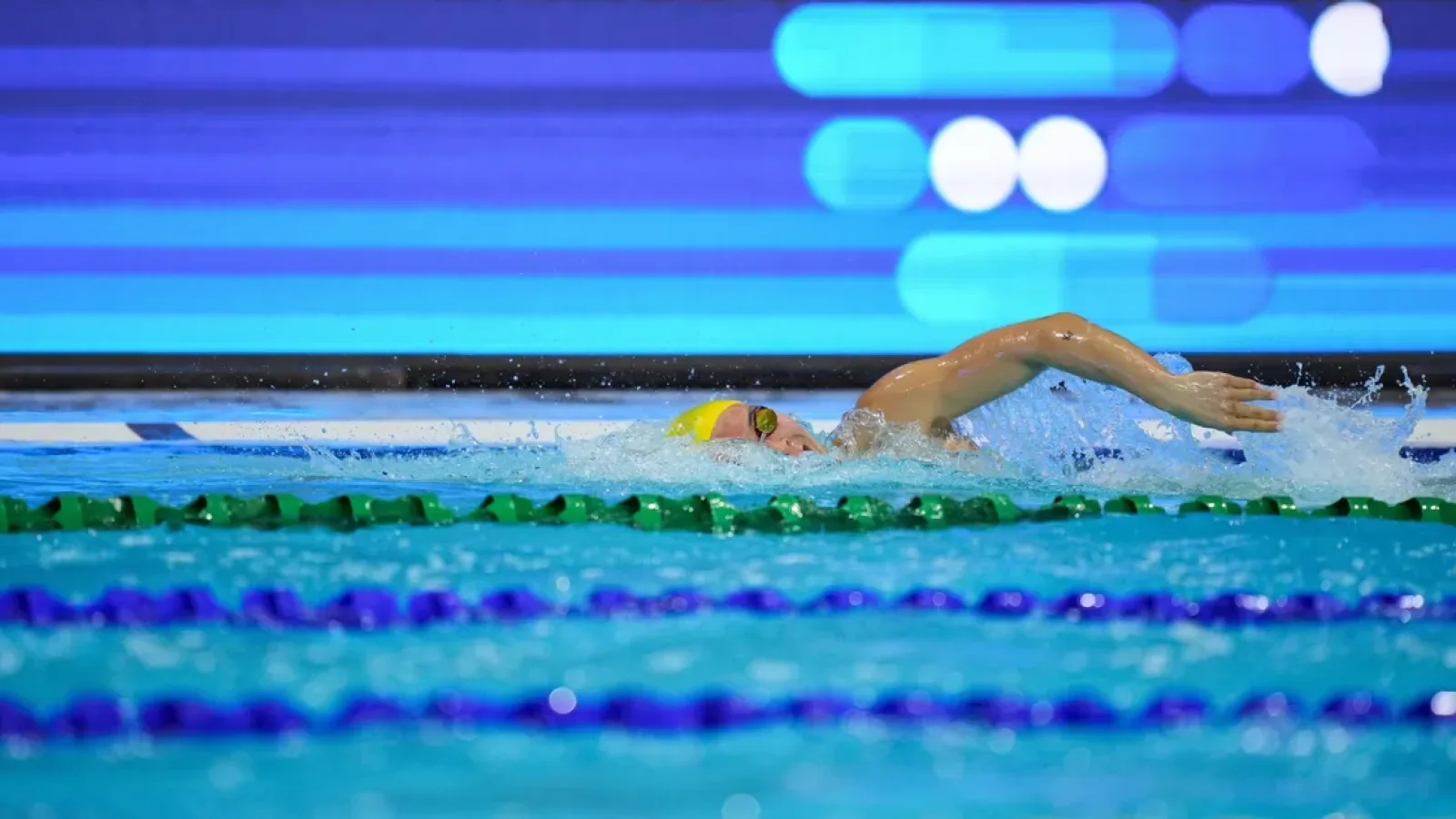
World Aquatics will take the 2026 Swimming World Cup to Baku, Tashkent and Astana across three consecutive October weekends. The series begins in Azerbaijan on October 1 and ends in Kazakhstan on October 17, giving swimmers and teams a tightly scheduled route through three host countries.
According to World Aquatics, the Baku meeting will run from October 1 to 3 at the Aquatic Palace. It will be the first World Aquatics event held in Azerbaijan, making the opening stop a milestone as well as the start of the competition schedule.
Three stops with different milestones
The circuit moves to Tashkent from October 8 to 10. Competition will take place at Olympic City, and the meeting will mark Uzbekistan’s first international swimming competition.
Astana hosts the final stop from October 15 to 17. It will be the city’s fourth World Aquatics event, completing a route in which each venue brings a different piece of institutional history to the series.
The order also makes consistency across the tour central to the sporting challenge. There is one week between each meeting, while the final race in Astana comes only 12 days after the opening session in Baku. The available information does not specify travel arrangements, athlete entries or the final race programme, so the confirmed dates are the clearest guide to how the series will unfold.
How the World Cup can lead to Beijing
The biggest competitive change is a wild-card system being tested during the World Cup. A swimmer who finishes in the top three of an individual event final and records an A standard at one of the three stops will receive direct qualification for the Beijing championships.
Each member federation will be able to add up to three swimmers to its Beijing delegation through this system. That gives athletes who are not yet secure in their national selection plans a reason to target the World Cup, while keeping the route tied to both final-round performance and the required standard.
The rules released with the schedule do not state how places will be allocated across events, or how ties and unused places will be handled. Those details will determine how widely the wild cards can affect national teams and whether some event results carry more practical weight than others.
A $1.2 million purse and a demanding circuit
The World Cup carries a total prize fund of $1.2 million, excluding bonuses for world records and Crown victories. World-record holders and Crown winners will each receive an additional $10,000 on top of the standard bonuses.
A Crown winner is an athlete who wins the same event at all three stops. In the 800m or 1,500m freestyle, the athlete can instead win two of the three meetings. The format therefore rewards repeated success across the route, rather than a single standout result.
More than 750 athletes from over 50 nations are expected to compete. The field size would give the series a broad international reach, but the confirmed schedule also places emphasis on maintaining form from Baku through Tashkent and into the Astana finale.
The 2026 Swimming World Cup will consequently combine new host milestones with a qualification mechanism that could widen the Beijing championships field. The October dates and three-city route are set; the practical effect of the wild cards will depend on athlete entries and the event-by-event allocation details still to come.
Official sources
Sources and reporting
- Official source: worldaquatics.com
- https://www.worldaquatics.com/news/4570299/one-month-to-go-world-aquatics-swimming-world-cup-2026-set-to-light-up-the-silk-road